





High blood pressure (hypertension): how to detect and manage it
High blood pressure, also called hypertension, is common and often goes unnoticed. It can quietly damage the heart, brain, kidneys and blood vessels, so regular checks matter even when you feel well. In Dubai, where many internationals arrive without a recent medical file, a blood pressure reading in a GP consult is frequently the first solid baseline they have had in years.
What high blood pressure means
Blood pressure is the force of blood against artery walls. Hypertension means readings remain consistently above the healthy range. It earns the “silent” label because many people have no symptoms, yet untreated high pressure raises the risk of heart attack, stroke, heart failure, kidney disease and vision problems. Headache, dizziness, nosebleeds or blurred vision are not reliable ways to detect it. Do not wait for symptoms before being checked.
Risk factors that show up often
Risk increases with age and family history. Excess weight, a high-salt or highly processed diet, too little physical activity, smoking, excess alcohol, poor sleep and long-term stress all contribute. Diabetes, kidney disease and some medicines can push numbers up as well. None of that makes a diagnosis by itself; repeated, correctly taken readings do.
Prevention and day-to-day management
Small, consistent changes lower pressure and protect long-term health. A pattern built around vegetables, fruit, pulses, whole grains and lean proteins, with less salt and fewer ultra-processed foods, is a practical starting point. Aim for at least 150 minutes of physical activity a week when your health allows. Reach and maintain a healthy weight, stop smoking, and keep alcohol within recommended limits. Sleep and workable stress habits matter more than people admit in a busy city.
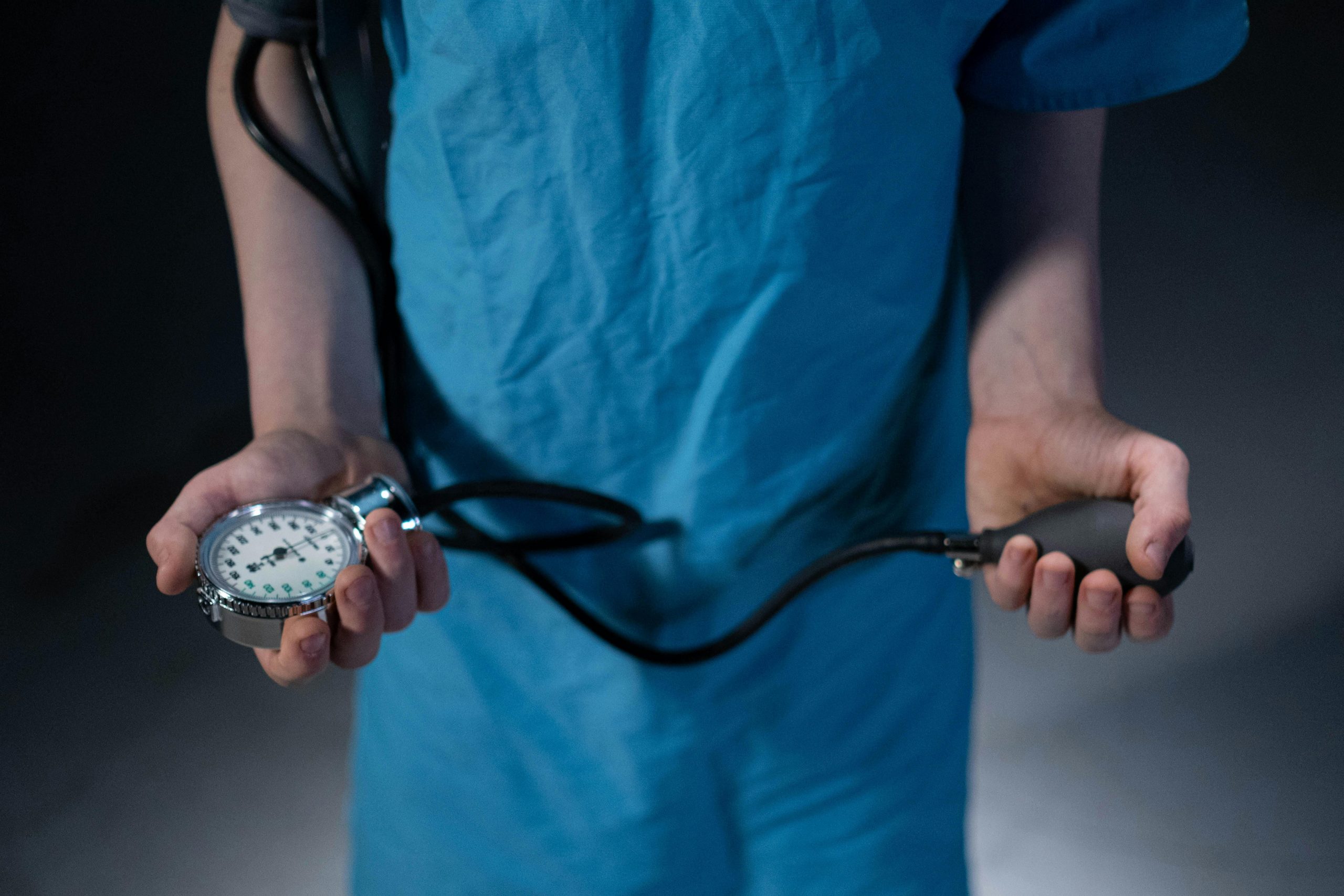
If your GP advises home monitoring, use a validated upper-arm cuff and correct technique: seated, back supported, feet on the floor, arm at heart level, after a few quiet minutes. Bring the log to the next visit. Phone-app guesses and wrist gadgets without validation waste everyone’s time.
When medicines are needed
Lifestyle measures matter, but some people need medication from the outset or when readings stay high. A GP may prescribe one or more medicines based on your readings, age, kidney function, diabetes, cardiovascular risk and other conditions. Take treatment consistently. Do not stop it without medical advice. Regular follow-up adjusts the dose and checks for side effects.
Related blood work — kidney function, electrolytes, glucose, lipids — often sits alongside blood pressure care. At Happiness Clinic those samples can be taken on site and analysed by a partner laboratory, then reviewed with the same doctor who manages your pressure.
Screening timing and emergency thresholds
Because hypertension can be silent, adults should have their blood pressure checked regularly. Screening is especially important from age 40, or earlier with family history, diabetes, kidney disease, excess weight or another risk factor. An abnormal reading needs confirmation and a plan, not a shrug. It often fits naturally into an annual health checkup in Dubai.
Seek urgent help for a reading around 180/120 mmHg or higher with chest pain, severe headache, breathlessness, weakness, confusion or vision changes. That combination is not a “wait for Monday” problem — call 998 or go to the ER.
Blood pressure care at Happiness Clinic
At Happiness Clinic LLC in Jumeirah / Umm Suqeim 3 (Villa 865A, in front of Burj Al Arab), Dr Marc Gabrielli, Consultant in Family Medicine, provides blood pressure screening and follow-up for residents and international patients. English consultations cover readings, cardiovascular risk and treatment needs. He has more than 10 years of general practice experience in France and Monaco and has worked as a senior emergency physician — useful when a high reading needs calm triage rather than panic or false reassurance.
This article is for general information and education only. It is not personal medical advice or a diagnosis. For further background, see the World Health Organization information on hypertension.
FAQ
How often should I have my blood pressure checked?
Adults should have regular checks even when they feel well. Your GP will set the interval from your age, readings and risk factors.
When is high blood pressure an emergency?
Seek urgent care for a reading around 180/120 mmHg or higher with chest pain, severe headache, breathlessness, weakness, confusion or vision changes.
Can international patients consult in English in Dubai?
Yes. Consultations at Happiness Clinic are in English for international patients, subject to appointment availability.
Can I get related blood tests at the same visit?
Often yes. When kidney function, glucose, lipids or other markers are useful, the sample can be taken on site and reviewed with your GP after partner-lab analysis.
Book a blood pressure check in Dubai
If you need screening, confirmation of high readings, or steady follow-up, book with Dr Marc Gabrielli at Happiness Clinic.
Call: +971 56 300 0858
Practical details (Dubai)
- Clinic: Happiness Clinic LLC
- Address: Villa 865A, Umm Suqeim 3 / Jumeirah, Dubai (in front of Burj Al Arab)
- Hours: Monday–Saturday, 08:00–20:00
- Phone: +971 56 300 0858
- Website: https://docteurgabrielli.com/