






Dengue Fever in Dubai: Symptoms, Treatment and When to See a GP
Dengue fever is a viral infection transmitted mainly by infected Aedes mosquitoes, including Aedes aegypti and Aedes albopictus. It occurs in many tropical and subtropical regions and can affect residents and travellers linked to Dubai — after trips abroad, or when local conditions allow transmission. Most cases are manageable with careful monitoring; a minority become severe and need hospital care fast.
What causes dengue
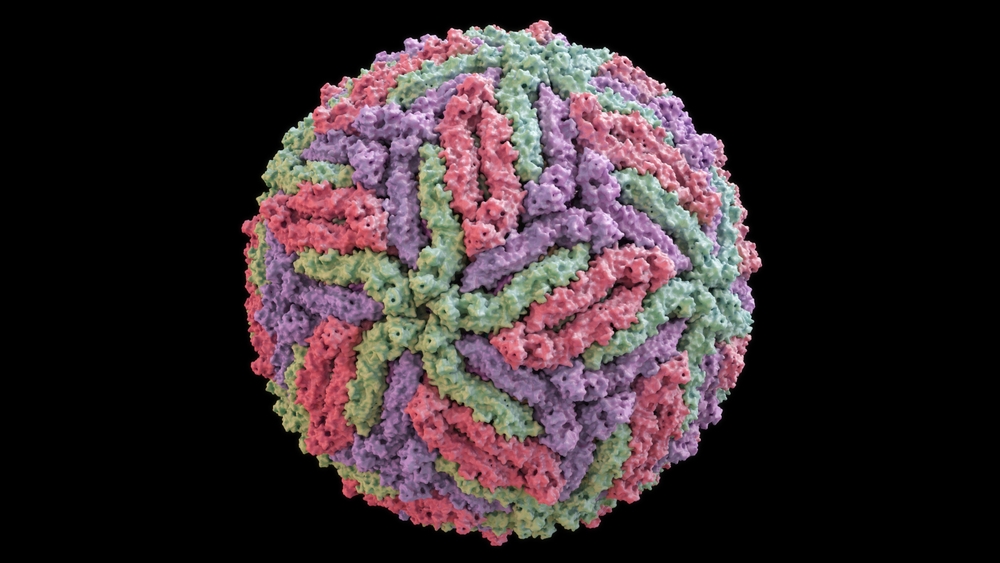
The dengue virus belongs to the Flavivirus group. There are four closely related serotypes. Infection with one serotype generally protects against that serotype, but not reliably against the others. A second infection with a different serotype can carry a higher risk of severe disease. That is why a “mild” first episode is not a free pass forever.
Symptoms and warning signs
Symptoms usually begin four to ten days after the bite of an infected mosquito. Dengue may stay mild, or it may progress to severe dengue (sometimes still called dengue haemorrhagic fever). Common features include sudden high fever, severe headache, pain behind the eyes, marked muscle or joint pain, nausea or vomiting, a skin rash, fatigue and loss of appetite.
Most people recover with supportive care. Seek urgent medical attention for severe abdominal pain, persistent vomiting, bleeding from the nose or gums, blood in vomit or stool, unusual drowsiness or restlessness, breathing difficulty, or worsening symptoms as the fever settles. Those can be warning signs of severe dengue.
How dengue is treated
There is no specific antiviral treatment. Rest, careful hydration and medical monitoring are the mainstays. Paracetamol (acetaminophen) can help with fever and pain when taken as directed. Avoid aspirin, ibuprofen and other non-steroidal anti-inflammatory drugs because they can increase bleeding risk. Do not self-medicate if you may have dengue; a doctor can advise on testing, fluids and follow-up.
Vaccines: Dengvaxia and Qdenga
Vaccine recommendations depend on age, previous infection, local licensing and individual risk. Dengvaxia is restricted in many settings to people with documented previous dengue infection because of safety considerations in those who have never had dengue. Qdenga (TAK-003) has different indications and may be used in some countries regardless of previous infection. Availability and eligibility change, so discuss vaccination with a travel clinic or your GP rather than assuming a product you read about abroad is available or suitable here.
Preventing mosquito bites
Aedes mosquitoes are active mainly during daylight. An approved repellent, long sleeves and trousers, screens or air conditioning, and a mosquito net when sleeping in exposed settings all help. Standing water in containers around the home is a breeding site — empty it. Prevention is dull. It still works better than treating severe disease later.
Seeing a GP in Dubai for suspected dengue
Contact a GP promptly if you develop a high fever with severe aches, rash, vomiting or unusual bleeding after possible mosquito exposure or travel. At Happiness Clinic LLC in Jumeirah / Umm Suqeim 3 (Villa 865A, in front of Burj Al Arab), Dr Marc Gabrielli, Consultant in Family Medicine, can assess symptoms, arrange appropriate blood tests when useful, and monitor you during the window when complications can appear. Samples are taken on site; a partner laboratory analyses them; results are reviewed with the same GP. He has more than 10 years of general practice experience in France and Monaco and has worked as a senior emergency physician — useful when the question is clinic follow-up versus hospital escalation.
Go to an emergency department — or call 998 — for any warning sign of severe dengue or rapid deterioration. For further background, see the World Health Organization dengue fact sheet.
FAQ
Can dengue be treated at home?
Mild dengue may be managed with rest, fluids and medical advice, but follow-up matters because warning signs can appear as the fever improves. Avoid aspirin and ibuprofen unless a clinician advises otherwise.
When should an international visitor seek urgent care?
Seek urgent care for persistent vomiting, severe abdominal pain, bleeding, breathing difficulty, confusion, unusual sleepiness or rapid deterioration. Call emergency services or go to an emergency department for severe symptoms.
Can I consult in English in Dubai?
Yes. Consultations at Happiness Clinic are in English for international patients, subject to appointment availability.
Book an assessment in Dubai
If you have fever after travel or mosquito exposure and need a clear plan, call Happiness Clinic during opening hours. If red flags are present, go to the ER first.
Call: +971 56 300 0858
Practical details (Dubai)
- Clinic: Happiness Clinic LLC
- Address: Villa 865A, Umm Suqeim 3 / Jumeirah, Dubai (in front of Burj Al Arab)
- Hours: Monday–Saturday, 08:00–20:00
- Phone: +971 56 300 0858
- Website: https://docteurgabrielli.com/
This article is for general information and does not replace a medical consultation. If you have urgent symptoms, seek emergency care.