





Hyaluronic Acid Fillers in Dubai: Natural-Looking Facial Refresh
Hyaluronic acid is naturally found in the body, especially in the skin and joints. It attracts and retains water, which helps skin stay smooth and hydrated. In aesthetic medicine, hyaluronic acid injections can soften wrinkles, restore lost volume and refresh facial contours when the plan is conservative and the anatomy is respected.
Results may be visible quickly while remaining temporary and adjustable. At Happiness Clinic in Dubai the starting point is always a medical consultation, not a menu of syringe sizes.
How hyaluronic acid works in the skin
Injected into a carefully chosen plane, the gel-like structure binds water and creates a controlled hydrating and volumising effect. That can soften a fold, support a contour or improve dehydrated skin. Natural production decreases with age, which contributes to volume loss, reduced elasticity and wrinkles. Treatment can replenish volume where needed while preserving individual features. The useful goal is skin quality, facial balance and a rested expression — not an overfilled look.
Some formulations are designed mainly to improve hydration and skin quality with little change to shape. Others are built for structure in cheeks, chin or jawline. Product choice follows the indication, not the other way around.
What fillers can and cannot do
By restoring support beneath the skin, injections can reduce selected folds and fine lines. Conservative placement in the cheeks, temples, chin or jawline can restore proportion when age-related hollowing is the problem. Lips can gain hydration, definition, symmetry or subtle volume while keeping a natural smile. What fillers do not do is permanently stop ageing, replace surgery when surgery is the honest answer, or fix every line on a face in one session.
Duration depends on the area, product, amount injected, individual metabolism and lifestyle. In many cases results last around six to twelve months; some areas and products last longer. Because hyaluronic acid is resorbable, the effect fades gradually. Follow-up assesses the result and whether maintenance makes sense.
Facial areas commonly treated
Crow’s feet and fine lines at the outer eye may be softened when appropriate. Nasolabial folds between nose and mouth can sometimes improve by restoring support rather than simply packing the crease. Cheek support can lift a tired or flattened midface. Temples with age-related hollowing need a gradual, carefully planned approach. Lips are treated for hydration and proportion, not a standard “Instagram” shape. Every map is individual; some areas are declined when the risk–benefit balance is poor.
Risks and aftercare realities
Hyaluronic acid injections are generally well tolerated when performed by a qualified medical professional, but no procedure is risk-free. Temporary redness, swelling or bruising is common and usually settles within a few days. Mild tenderness is expected. Infection is rare but possible. Lumps or inflammatory nodules are uncommon and may need treatment. Allergic or delayed reactions should be reported.
Very rarely, accidental injection into or compression of a blood vessel can cause a serious complication. Seek urgent medical attention for unusual or worsening pain, marked blanching or colour change, or visual symptoms after treatment. That line is not fine print.
What an appointment looks like
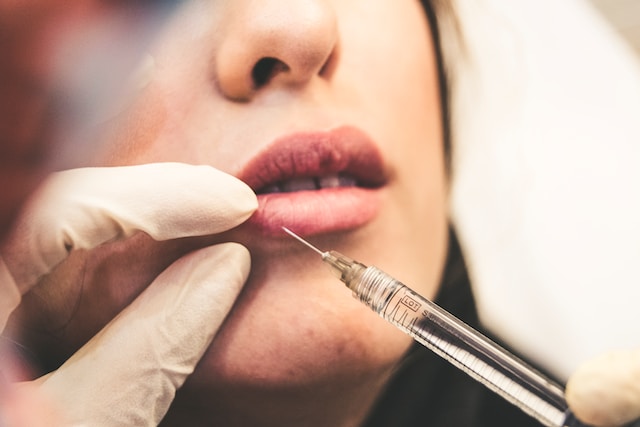
The visit starts with goals, expectations, medical history, previous treatments, allergies and medicines. Anatomy is assessed; the area, product and amount are explained; treatment may be declined if it is not appropriate. The skin is cleansed; topical or local anaesthesia may be used where it helps. Injection uses a fine needle or cannula chosen for the area. You leave with aftercare instructions and clear criteria for when to call. A review assesses the result and future maintenance.
Do not undergo injectable treatment without a proper medical consultation.
Alternatives sometimes discussed
Botulinum toxin temporarily relaxes selected muscles and suits dynamic expression lines; it is not a substitute for filler when the main issue is volume loss. Collagen-stimulating treatments, calcium hydroxylapatite (Radiesse) and poly-L-lactic acid (Sculptra) have their own indications, timelines and limits. They are not interchangeable with hyaluronic acid and are not suitable for every area or patient.
Hyaluronic acid fillers at Happiness Clinic
International patients can consult Dr Marc Gabrielli at Happiness Clinic LLC in Jumeirah / Umm Suqeim 3 (Villa 865A, in front of Burj Al Arab) for a personalised assessment. He is a Consultant in Family Medicine who also practises aesthetic medicine, with more than 10 years of general practice experience in France and Monaco and a background as a senior emergency physician. English consultations are available. Treatment is recommended only after discussing goals, history, suitability, risks and realistic results — not before.
This article is for general information only and does not replace an in-person consultation. Results and risks vary.
FAQ
Are hyaluronic acid fillers permanent?
No. Hyaluronic acid is gradually resorbed. Results are temporary and commonly last around six to twelve months depending on the product, area and individual factors.
Can international patients have an English consultation in Dubai?
Yes. English consultations are available at Happiness Clinic for international patients, subject to appointment availability.
What should I do if I have an urgent concern after treatment?
Contact the clinic promptly for unusual or worsening pain, marked blanching or colour change, or visual symptoms. Seek urgent medical attention for serious or rapidly developing symptoms.
Book an aesthetic consultation in Dubai
If you want a conservative, medically led plan for hyaluronic acid fillers, book with Dr Marc Gabrielli at Happiness Clinic.
Call: +971 56 300 0858
Practical details (Dubai)
- Clinic: Happiness Clinic LLC
- Address: Villa 865A, Umm Suqeim 3 / Jumeirah, Dubai (in front of Burj Al Arab)
- Hours: Monday–Saturday, 08:00–20:00
- Phone: +971 56 300 0858
- Website: https://docteurgabrielli.com/
